

By using our website, you agree to the use of cookies as described in our Cookie Policy
High Tide vs. Low Tide at Crab Island
Most people show up at Crab Island thinking it's the same no matter when they arrive. It's not. The tides shift daily and change the water clarity, color, and depth, among other things. The tide charts can give you advance notice of what to expect, depending on when you plan to visit.

So here's what matters. High tide and low tide don't just change the scenery—they rewrite the rules. One gives you navigable channels and clean Gulf water. The other exposes sandbars, stirs up sediment, and turns a five-minute boat ride into a white-knuckle crawl. If you're heading out without checking the chart first, you're gambling with your hull and your afternoon.
The Sandbar That Disappears and Reappears
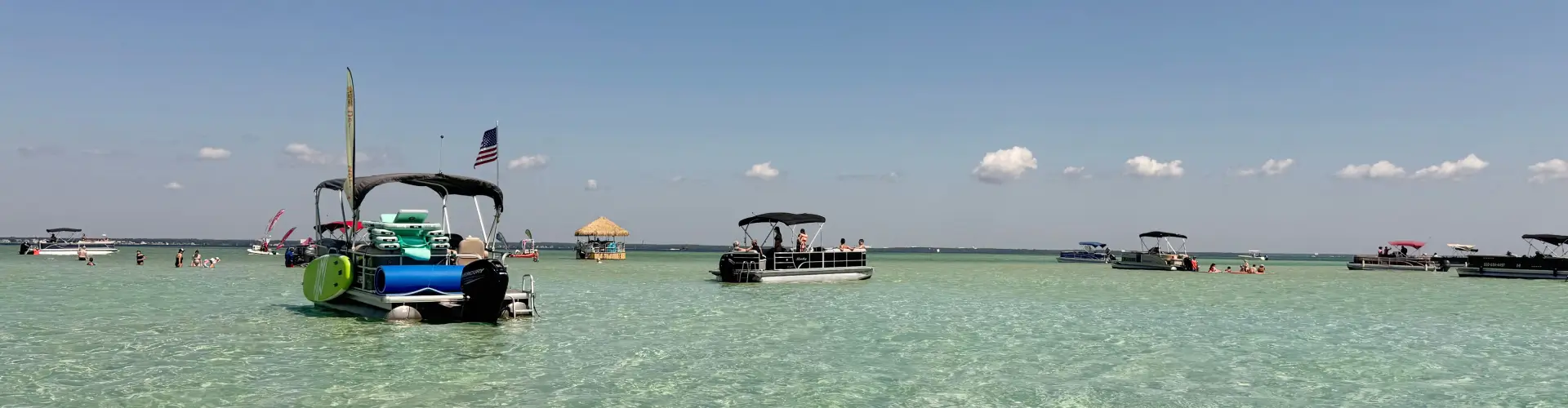
Crab Island isn't an island. It's a submerged sandbar sitting just north of Destin and the East Pass, where Choctawhatchee Bay meets the Gulf. Depending on the time of year and the tide, it can look like a floating party zone, or a shallow desert. Generally, it will be the shallowest during winter, when Destin experiences lower low tides. Crab Island sits within the Gulf Islands National Seashore and is regulated by the National Park Service. Commercial activity is permitted on Crab Island from March 1st through October 31st. This means that when Crab Island experiences the lowest low tides, commercial activity has already stopped. Visitors to Destin can see Crab Island from the shore or the bridge, and parts of the island will break the surface of the water and will be exposed. Birds can be seen standing on the island during those periods, and sometimes locals will drive up in their personal watercraft and stand or walk on the exposed sand.
Why High Tide Wins Most of the Time
High tide brings water from the Gulf into the bay, and it washes over the sandbar. This is when Crab Island looks like the postcard version. The income tide brings slightly cooler water and restores that signature turquoise clarity. Depth ranges from two feet to four or five feet across most of the sandbar, which means boats can anchor without problems and visitors can move around easily. Because it is so shallow, non-swimmers can also enjoy the water as they walk or float around.
The water color, clarity and temperature with low tide is slightly different than high tide, but the vibe on the island does not change with the tide. In fact, visitors often enjoy spending time catching blue crabs and hermit crabs more often spotted during low tide, or snorkeling around the island searching for the slightly more fish swimming around during low tide. Low tide water from the bay is more of a dark green or light brown color, but it is still clear.
During Spring, Summer, and Fall, when the National Park Service allows commercial activity, visitors can purchase all types of food from the floating food vendors, as well as shirts, hats, floats and other items. Regardless of the tide, these vendors are present on Crab Island from March through October, although some may start later and end earlier during the season. The tide generally is irrelevant to the vendors, and the more important factors of weather, wind and current determine whether they will be present at Crab Island. Their boats are small single or double passenger capacity vessels and are more subject to adverse water conditions than larger passenger boats.
For visitors, high tide generally means a little more depth clearance for their boats and more options as to where they can anchor on the sandbar. The difference in depth between high tide and low tide is generally about 12 inches. As such, it is not too drastic, but significant enough to make boaters traversing the shallower parts of the island a little more aware and cautious as to where they drive their boats.
What Changes Between the Two
The contrast between high tide and low tide is generally not subtle. High tide gives you depth, clarity, and turquoise color. Low tide gives you water from the bay, which usually brings sea grass (for a few minutes) and a darker green and sometimes light brown water across the sandbar. Along with the bay water, visitors usually spot slightly more fish and blue crabs. The water tends to be one to three degrees warmer, as well.
Generally, the crowds will remain the same whether it is low tide or high tide. Visitors to the island are there for the purpose of enjoying the water, sandy bottom, vendors, floats, their drinks, music and family & friends. The depth of the water at low tide means parts of the island are even more shallow, up to 12 inches. Boaters pay more attention to the shallower depth during low tide so that they do not bottom out on their boats, or worse, get stuck.
Planning Your Arrival Around the Chart
Check the tide chart before you plan your Crab Island trip. Here is the tide chart: https://www.usharbors.com/
This tide chart will tell you the tide to expect depending on the day and time you plan to visit. For most visitors, they are booking a trip to Crab Island based on their vacation schedule and the actual tide does not matter to them. For others, they want the clear turquoise water. It is best to view the tide chart and expect to see the high tide water start to come in about one to two hours before the peak of high tide. Take note that this varies depending on the moon position, as well. Because tides are controlled by gravitational pull (full and new moons phases are stronger) and alignment of the earth, it is best to consider these factors, too. A high tide prediction does not always mean the Gulf water will be pulled over Crab Island. The gravitational pull can be insufficient to bring the Gulf water over the sandbar, in which case the low tide water will remain present.
What to Bring No Matter When You Go
Crab Island has no docks, no bathrooms, and no shade unless you bring it. That means preparation isn’t optional. Sunscreen, plenty of water, and food (unless you plan to purchase from the floating food vendors) are non-negotiable. Pack a cooler and make sure your boat has a canopy if you want relief from the sun. Bring a trash bag. You must take back whatever you bring to Crab Island. Respect the island as you would any other park or monument that is part of the National Park System. The place only works because people treat it like it matters.
Timing Isn't Luck
You don’t need insider knowledge to get Crab Island right. You just need to look at a tide chart and plan accordingly. High tide delivers the experience everyone talks about - clear water, safe depths, and a lively scene. Low tide offers the same vibe as high tide, but visitors can expect a slightly darker green (although it is still clear), a slightly warmer water temperature, and a little more sea life coming across the sandbar. Understanding tidal changes at Crab Island will help you plan the version of the sandbar experience you believe you will enjoy the most.
Experience the sandbar at its best with Destin Bay Hopper cruises, where our captains know exactly when to arrive for optimal conditions. For a complete day on the water, consider a Destin Harbor boat ride where we search for dolphins around the harbor and bay, or book a private charter for a customized experience that works around your schedule and the tide.
Let's Make Your Crab Island Day Unforgettable
We know how much timing matters when it comes to enjoying Crab Island at its best. Let's plan your trip so you get the clear water, easy navigation, and lively atmosphere you're after. If you're ready to experience the difference that local expertise makes, give us a call at 850-749-6117 or book now and we'll help you catch the tide just right.
‹ Back
Recent Posts
-
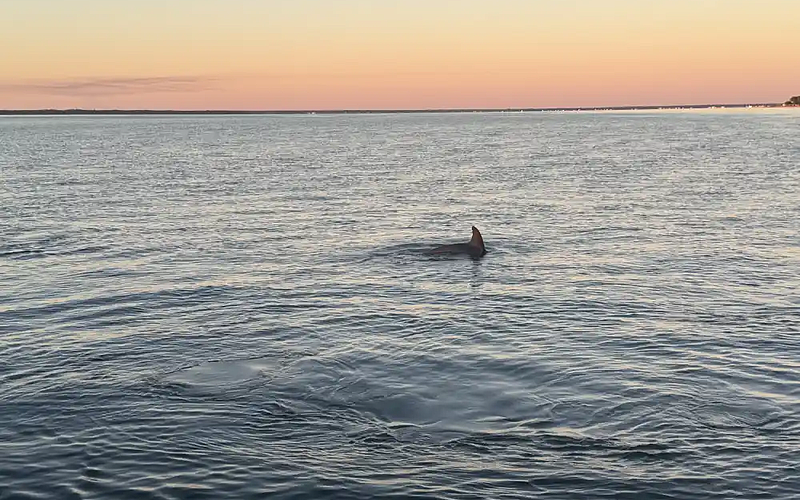
What Sea Life Is Normally Spotted at Crab Island
October 19, 2026
-
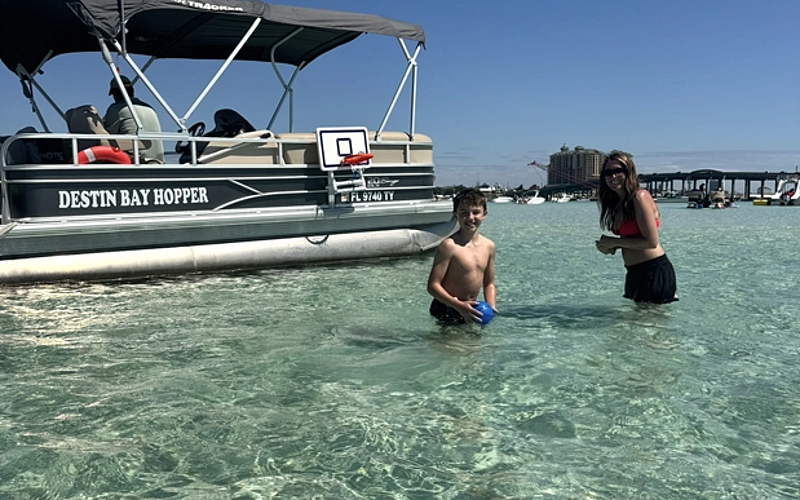
The Average Monthly Water & Air Temps in Destin, Florida
October 5, 2026
-
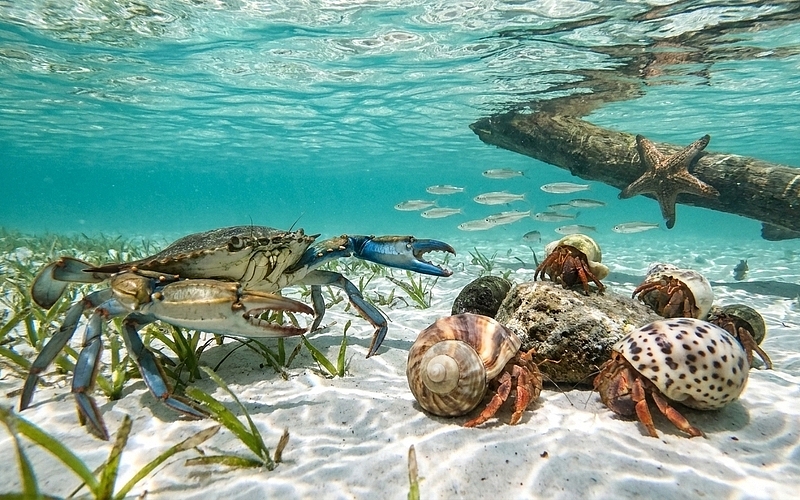
Blue Crabs, Hermit Crabs & Other Sea Life at Crab Island
September 21, 2026
-

High Tide vs. Low Tide at Crab Island
September 7, 2026
-