
By using our website, you agree to the use of cookies as described in our Cookie Policy
What Sea Life Is Normally Spotted at Crab Island
Most people hit Crab Island for the party vibe and Instagram-worthy turquoise water. Fair enough. But the real show happens just below the surface — and most visitors miss it entirely. That sandbar north of Destin isn't just a floating hangout. It's a staging ground for dolphins, rays, crabs, and fish that call the area home year-round. If you're wading through waist-deep water with a drink in hand, you're standing in the middle of their territory.
We've spent enough time out there to know what swims by, when it shows up, and what you should actually look for if you want more than just a sunburn and a selfie. The ecosystem at Crab Island is active, accessible, and surprisingly diverse for a spot that sees this much boat traffic. Here's what you're likely to encounter — and what separates a quick dip from a marine wildlife crash course.
Bottlenose Dolphins Run the Show
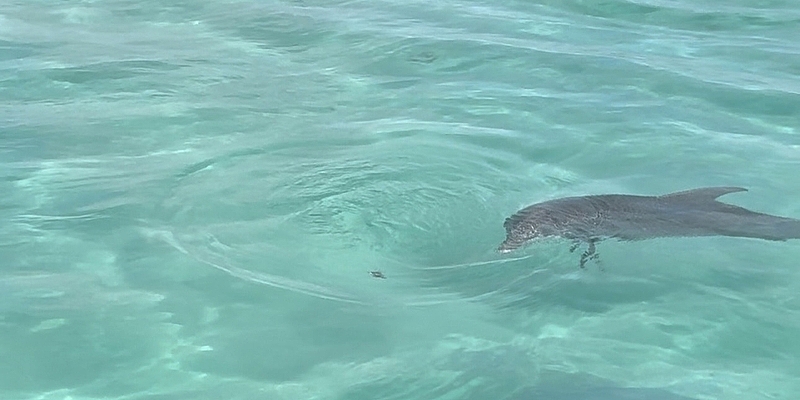
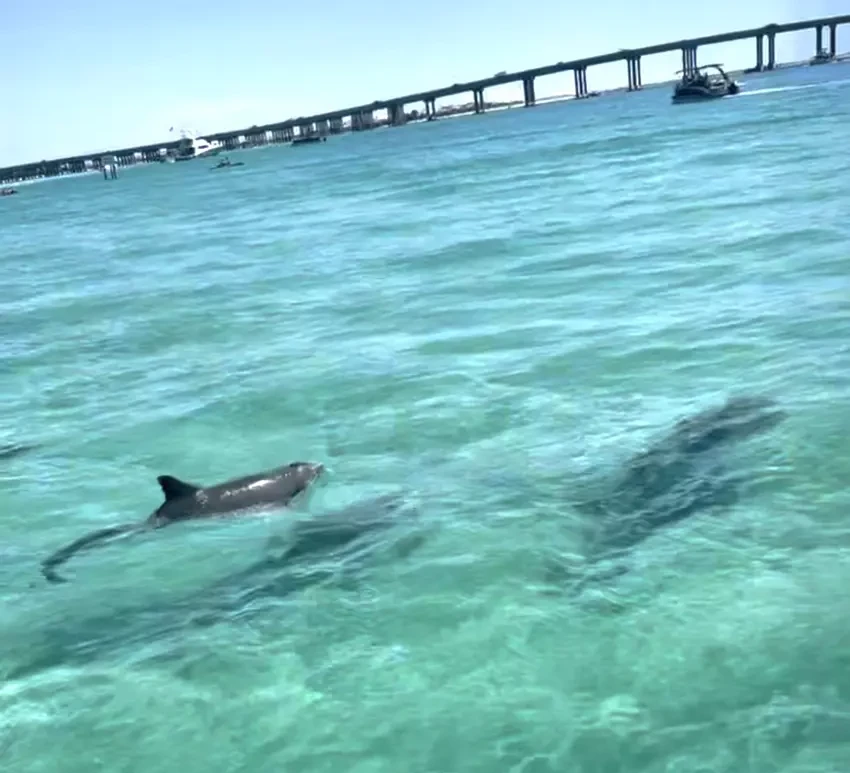
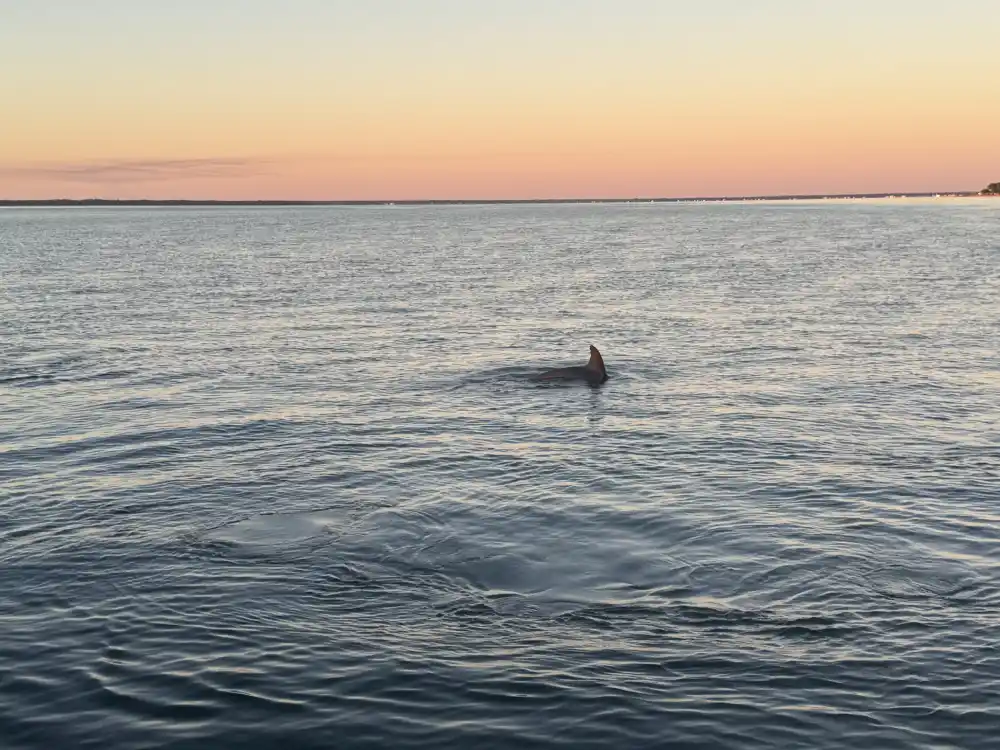
Dolphins own the area around Crab Island. Not metaphorically — they're out there almost every day, hunting in packs or cruising solo through the shallows. Bottlenose dolphins are the species you'll see, and they're not shy. Early morning or late afternoon gives you the best odds, but we've spotted them mid-day too, especially when baitfish are schooling near the sandbar.
They don't perform on command, but they're curious enough to swim close if you're in a kayak or on a paddleboard. Boats with loud engines tend to scatter them, so if you want a real encounter, cut the motor and let them come to you. Watching a pod weave through anchored boats is one of those moments that reminds you why this place pulls people back season after season.
Crabs Are Everywhere You Step
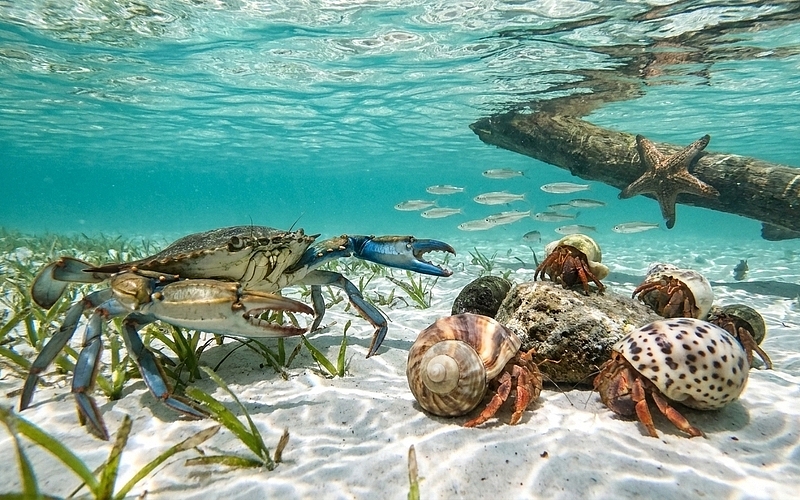
The name isn't a marketing gimmick. Crabs are legitimately all over the place — blue crabs hiding in the grass, hermit crabs dragging shells across the sand, and the occasional stone crab if you're paying attention. Kids love hunting for them, and honestly, so do we. It's low-effort entertainment that actually teaches you something about how the sandbar functions as a nursery for juvenile marine life.
Crabs are a sign the ecosystem is working. They feed on detritus, keep the bottom clean, and serve as a food source for rays and larger fish. If you're wading and feel something scuttle past your ankle, don't panic. That's just standard issue Crab Island wildlife doing its thing.
Fish Fill Every Gap in the Water Column
The water around Crab Island is teeming with fish — some you'll recognize, most you won't. Mullet jump constantly, pinfish nibble at anything that looks edible, and sheepshead hang near pilings waiting for crustaceans to make a mistake. If you've got a mask and snorkel, you'll also spot flounder camouflaged on the bottom and redfish cruising the grass beds.
Bring polarized sunglasses if you want to see what's really going on beneath the chop. The clarity here is good enough that you can track fish movement without getting in the water. Anglers work the edges of the sandbar for speckled trout and redfish, and they're successful often enough that it's worth noting. The baitfish attract predators, and the predators attract dolphins — it's a food chain you can watch in real time.
Rays Glide Through Like They Own the Place
Stingrays and cownose rays are regulars at Crab Island, and if you're not doing the stingray shuffle in the grassy areas, you're asking for trouble. These animals bury themselves in the sand or glide just above it, and stepping on one is exactly as unpleasant as it sounds. Shuffle your feet when you wade in the grassy areas — it gives them time to move, and you avoid a trip to urgent care.
Rays are harmless if you leave them alone. We've watched them cruise past within arm's reach, completely unbothered by the crowd. Cownose rays tend to travel in small schools, and seeing a group of them pass under your boat is one of those quiet moments that makes the noise and chaos worth it. They're elegant, prehistoric-looking, and a reminder that this sandbar is theirs first.
Occasional Encounters Worth Watching For
Not every trip delivers the full roster, but if you're lucky, you'll spot some of the less predictable visitors that pass through Crab Island depending on season and conditions.
- Sea turtles surface near the grass beds during warmer months, usually loggerheads or greens grazing on vegetation
- Jellyfish drift in late summer, mostly moon jellies that sting mildly but are easy to avoid
- Seahorses and pufferfish hide in the seagrass if you're snorkeling and patient enough to look closely
- Starfish and sand dollars turn up in the shallows, especially after storms churn the bottom
- Pelicans and ospreys dive-bomb the water hunting fish, often landing catches right in front of anchored boats
The Ecosystem Needs You to Not Wreck It
Crab Island handles thousands of visitors every week during peak season, and the marine life is still here because most people don't actively destroy it. That said, trash, sunscreen runoff, and careless anchoring all take a toll. We've seen too many boats drag their propellers through seagrass beds that serve as nurseries for juvenile fish and crabs.
If you're serious about seeing wildlife, treat the sandbar like the habitat it is. If you pick up crabs for photos, gently return them to the water. Use reef-safe sunscreen and pack out everything you bring in. The more traffic this place gets, the more intentional we need to be about keeping it functional for the animals that actually live here.
What Makes Crab Island Different
Plenty of sandbars offer decent snorkeling or the occasional dolphin sighting around the island. Crab Island stands out because the wildlife is consistent, accessible, and visible without specialized gear or a guide. You don't need a dive certification or a glass-bottom boat. You just need to show up, pay attention, and resist the urge to treat the whole place like a floating bar.
The marine life here isn't a bonus feature — it's the foundation. The fish attract rays. The rays attract dolphins. The crabs clean up after everyone. It's a working system that happens to be located in one of the most heavily trafficked recreational zones on the Gulf Coast. That balance is fragile, and it only holds if we stop pretending the water is just scenery.
Timing Changes What You See
Not all hours are equal at Crab Island. Early mornings before the crowd arrives offer the most active wildlife. Dolphins hunt at dawn around the perimeter, rays are easier to spot before boat traffic stirs up the sand, and fish are more visible before the noise level spikes.
Late afternoon brings another window when the party boats start heading back to Destin harbor. The water settles, free space opens, and you're more likely to see fish returning or rays moving through the shallows. Mid-day is fine for hanging out, but if you're there for the wildlife, bookend your visit with the quieter hours.
Bring the Right Tools
You don't need a ton of gear, but a few basics make the difference between seeing nothing and seeing everything the sandbar has to offer.
- Polarized sunglasses cut glare and let you track fish and rays from the boat
- A provided snorkel mask opens up the underwater view, especially near grass beds
- Waterproof phone case or action camera for quick shots without risking your device
- Reef-safe sunscreen protects you and the water quality
- A small mesh bag for collecting trash you find floating or beached
Why It Matters Beyond the Instagram Post
Crab Island isn't just a backdrop for vacation photos. It's a functioning marine habitat that supports dozens of species, some of which are under pressure elsewhere along the Gulf. The seagrass beds here act as nurseries. The shallow water provides hunting grounds for fish and birds. The crabs keep the bottom healthy. Every piece plays a role, and the whole system depends on people not treating it like a disposable playground.
We've watched this sandbar evolve over the years, and the marine life is still here because enough visitors respect it. That doesn't mean you can't have fun — it just means the fun shouldn't come at the expense of the animals that make the place worth visiting in the first place. Show up prepared, stay aware of what's around you, and leave with more than just a tan. If you're looking to explore the area with experienced guides who understand the local ecosystem, consider booking a sunset cruise or joining one of our cruises. The wildlife at Crab Island delivers if you give it the chance.
Ready to Experience Crab Island's Wild Side?
We know every inch of Crab Island and love sharing its hidden marine life with fellow adventurers. If you want to see dolphins, rays, and all the underwater action up close, let's make it happen together. Give us a call at 850-749-6117 or book now to reserve your spot and discover the real magic beneath the surface.
‹ Back
Recent Posts
-
What Sea Life Is Normally Spotted at Crab Island
October 19, 2026
-
The Average Monthly Water & Air Temps in Destin, Florida
October 5, 2026
-
Blue Crabs, Hermit Crabs & Other Sea Life at Crab Island
September 21, 2026
-

High Tide vs. Low Tide at Crab Island
September 7, 2026
-